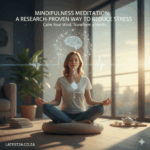
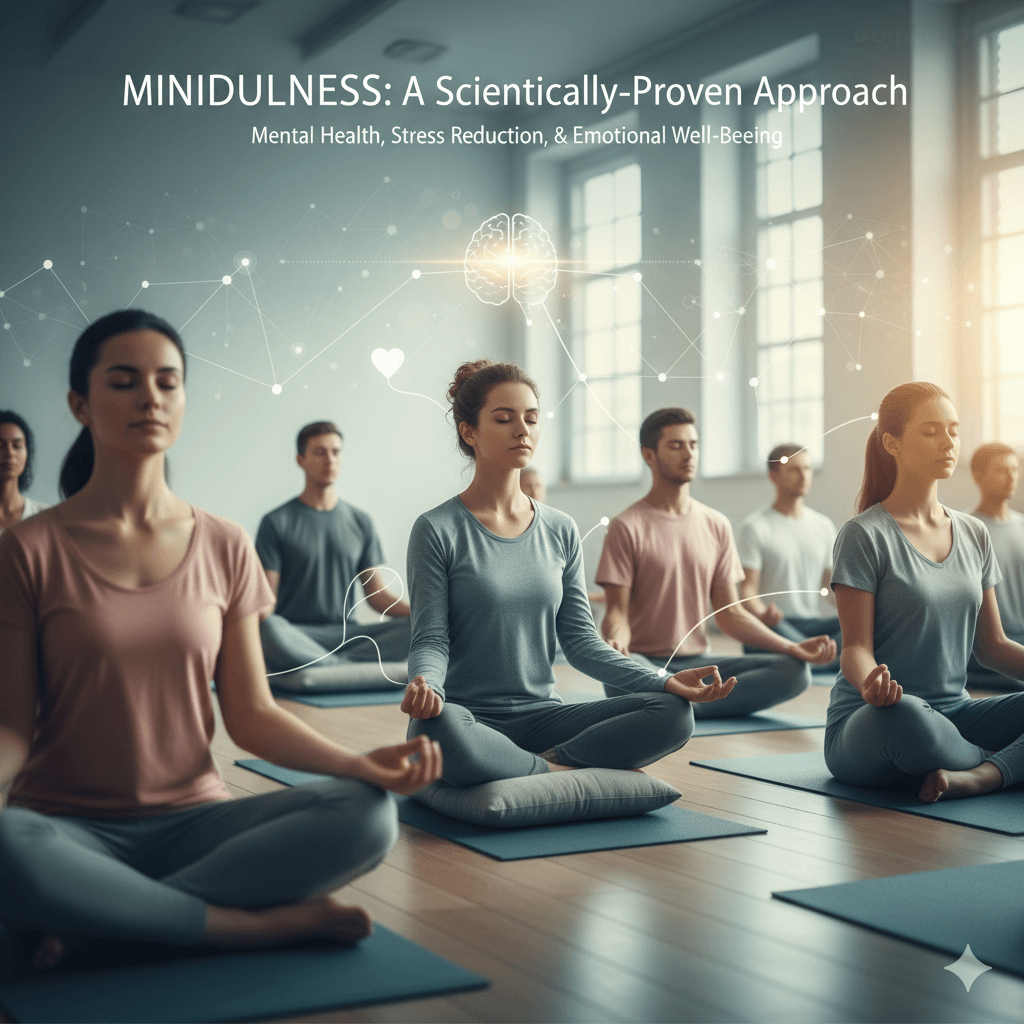

Mindfulness is no longer just a wellness trend or a spiritual practice reserved for monks and yogis. Today, it stands at the center of modern psychological treatment, stress management programs, and even corporate productivity initiatives. Backed by neuroscience and clinical research, mindfulness offers a transformative way to live, think, and respond to challenges—making it one of the most powerful therapeutic tools available in the mental health field.
As stress, anxiety, and burnout continue to rise worldwide, more people are searching for evidence-based mental health solutions, long-term stress relief, and natural alternatives to medication. Mindfulness provides exactly that. Through training the mind to observe rather than react, mindfulness allows individuals to manage thoughts, emotions, and physical sensations with clarity and compassion.
What Is Mindfulness? A Modern Definition
Mindfulness is best described as a conscious practice of paying attention to the present moment with openness, curiosity, and non-judgment. It is both an approach to life and a psychological skill. Rather than suppressing unwanted feelings or getting lost in rumination or future worry, mindfulness helps individuals experience reality as it is—moment by moment—while building emotional resilience, mental clarity, and self-awareness.
Unlike other treatments or philosophies, mindfulness is not imposed externally. It is something you cultivate internally. It encourages a compassionate, conscious relationship with your own thoughts and emotions, helping you engage with life—not escape from it.
At its core, mindfulness is about:
-
Being fully present
-
Observing rather than reacting
-
Accepting yourself as human and fallible
-
Responding intentionally rather than impulsively
-
Making conscious choices about how you want to live
The Science Behind Mindfulness: Why It Works
Thanks to advances in neuroscience, psychology, and medical research, mindfulness is now respected as a clinically valid intervention for mental and physical health conditions. Brain imaging studies show that mindfulness meditation can alter brain structure and increase activity in regions responsible for emotional regulation, memory, and reasoning. It decreases activation in the amygdala—our fight-or-flight response center—leading to reduced stress reactivity.
Long-term practice can lead to neuroplastic changes in the brain, especially in areas associated with executive function and self-awareness.
Research demonstrates significant benefits in the following domains:
Mental Health
-
Reduced anxiety symptoms
-
Decreased depression relapse rates
-
Lower emotional reactivity
-
Improved mood regulation
-
Reduced rumination and worry
Physical Health
-
Lower blood pressure
-
Enhanced immune system function
-
Reduced chronic pain sensitivity
-
Improved sleep quality
-
Better hormonal balance
These findings have led to the integration of mindfulness into psychotherapy, psychiatry, hospitals, education, corporate stress programs, and trauma recovery services.
Mindfulness in Psychology and Mental Health Treatment
When combined with cognitive psychology, mindfulness becomes a powerful approach to treat emotional dysregulation, trauma, and stress disorders. Therapies such as Mindfulness-Based Stress Reduction (MBSR) and Mindfulness-Based Cognitive Therapy (MBCT) are now globally recognized and used by clinical psychologists, psychiatrists, and healthcare systems.
Mindfulness helps individuals recognize thoughts as mental events—not facts—breaking patterns like catastrophizing, self-criticism, and overthinking. Unlike traditional coping strategies that avoid or suppress emotions, mindfulness teaches gentle observation and emotional acceptance, creating long-term psychological resilience.
Applications of Mindfulness Across Different Fields
Mindfulness is now used in nearly every sector, including:
Healthcare
-
Assisting patients with chronic illness
-
Supporting healthcare workers experiencing burnout
-
Improving pain management without increasing medication
-
Regulating nervous system responses in trauma survivors
Education
-
Enhancing learning, focus, and emotional regulation for students
-
Supporting teachers in stress management
-
Reducing classroom behavioral issues
Corporate & Business Environments
-
Increasing productivity and focus
-
Reducing workplace stress and burnout
-
Improving leadership and emotional intelligence
-
Supporting employee mental health
Parenting and Family Life
-
Helping parents stay calm and connected during conflict
-
Supporting child emotional development
-
Reducing reactive parenting habits
Emotional Issues Mindfulness Can Help Treat
Mindfulness is effective in managing a wide range of psychological challenges, including:
-
Anxiety, worry, and obsessive thinking
-
Panic attacks and phobias
-
Depression and low mood
-
Emotional numbness
-
Stress and burnout
-
Trauma and PTSD
-
Addictions and compulsive behavior
-
Anger and impulse control problems
-
Grief and bereavement
-
Relationship conflicts and communication difficulties
-
Parenting stress
-
Work-life imbalance
-
Identity and self-esteem issues
These conditions often respond better when mindfulness is combined with professional therapy, medication (when needed), and lifestyle changes.
Physical Symptoms and Chronic Illnesses Mindfulness Can Support
Mindfulness does not replace medical treatment, but research shows it reduces symptoms and improves coping for a range of physical conditions:
-
Cancer treatment stress and pain
-
Fibromyalgia and chronic fatigue
-
Chronic pain syndromes
-
Arthritis
-
Hypertension (high blood pressure)
-
Irritable Bowel Syndrome (IBS)
-
Multiple sclerosis
-
Diabetes management
-
Sleep disorders
-
Migraines
-
Weight management barriers
-
Smoking cessation and addiction recovery
Through stress reduction, nervous system regulation, and improved emotional resilience, mindfulness helps the brain and body work together rather than in conflict.
Dr. Rezek’s Approach: Mindfulness with Humanness and Honesty
Dr. Rezek’s model of mindfulness emphasizes emotional authenticity, human imperfection, and psychological insight. Rather than teaching mindfulness as a rigid discipline, her work brings warmth and realism to the practice, helping individuals approach life with openness, acceptance, and compassion for themselves and others.
Her approach integrates:
-
Personal responsibility
-
Cognitive awareness
-
Nervous system regulation
-
Emotional literacy
-
Practical life tools
Ultimately, mindfulness becomes a way of living, not just a therapy exercise.
Mindfulness as a Lifestyle: Choosing How to Live
Mindfulness encourages us to stop running on autopilot and instead choose how we react, speak, behave, and show up in the world. It empowers individuals to step out of impulsive reactions and make conscious choices aligned with their values.
It allows you to ask:
-
How do I want to respond to this stress?
-
What story am I telling myself?
-
Am I speaking from fear or clarity?
-
What is happening in my body right now?
-
What do I actually need in this moment?
This level of awareness can transform relationships, careers, inner peace, and mental health.
Getting Started with Mindfulness (Even If You’re Skeptical or Overwhelmed)
Many people fear that mindfulness requires silence, spiritual beliefs, or hours of meditation. In reality, anyone can practice mindfulness using accessible tools and techniques, including:
-
1–5 minute breathing exercises
-
Mindful daily tasks (e.g., eating, walking, listening)
-
Body scans
-
Guided meditation audio tracks
-
Mindfulness journals
-
Professional therapy and group classes
-
Mobile apps and online courses
What matters is consistency, not perfection.
Suggested Tools & Resources for Beginners
-
Guided meditation channels on YouTube (search “Guided Mindfulness Meditation”)
-
Free audio sessions: freemindfulness.org
-
Apps such as Insight Timer, Headspace, Calm, or Balance
-
Local therapists or psychologists specializing in mindfulness
-
Workplace wellness programs
-
Yoga and meditation studios
Internal Links (As Requested — Relevant to Content)
For readers interested in mental wellness and life improvement, explore these related topics on Latest24: