


Do you find yourself falling head over heels in love almost instantly — even with people you’ve just met? Do your relationships often begin with fiery passion but end in heartbreak or emotional exhaustion? If this sounds familiar, you might be experiencing a psychological pattern known as Emophilia Syndrome.
This condition, sometimes called emotional promiscuity, describes individuals who fall in love easily and intensely, often without fully understanding their partner. While this emotional openness can seem romantic, it may lead to repeated heartbreaks and unstable relationships. Let’s explore what emophilia really means, its key symptoms, and how to break free from its unhealthy patterns.
What Is Emophilia?
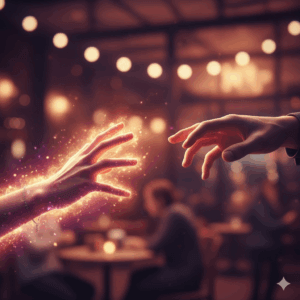
Emophilia—also known as emotional promiscuity—is the strong tendency to fall in love quickly and deeply. People with this trait form emotional attachments rapidly, often mistaking instant chemistry for genuine love.
Unlike normal attraction or infatuation, emophilia involves an obsessive emotional connection to someone new, formed within a very short time. The intensity can feel exhilarating and meaningful, but it often comes with impulsivity, vulnerability, and a tendency to ignore red flags.
According to psychologists, individuals with emophilia are often driven by a deep desire for emotional intimacy and connection. Unfortunately, this can lead them to confuse excitement with compatibility — and the result is often emotional burnout or disappointment.
Common Symptoms of Emophilia Syndrome

If you suspect you might be experiencing emophilia, watch for these warning signs and emotional patterns psychologists have identified:
1. Planning the Future Too Soon
You begin imagining trips, future conversations, or even marriage right after meeting someone. While it feels romantic, it may cause you to overlook crucial aspects of compatibility or warning signs early in the relationship.
2. Feeling an Instant, Overwhelming Connection
It feels like you’ve met your soulmate from the very first moment. Although this initial spark is thrilling, it’s often a projection of idealized emotions rather than a reflection of genuine understanding.
3. Constantly Thinking About Them
You replay every conversation and daydream about your romantic interest throughout the day. This hyperfocus can be emotionally draining and make you lose sight of your personal boundaries and priorities.
4. Confusing Intense Attraction with Love
That adrenaline rush you feel at the start might seem like “true love,” but strong attraction doesn’t always mean deep emotional compatibility. Acting on these impulses too quickly can lead to short-lived or toxic relationships.
5. Rushing Into Emotional or Physical Intimacy
You dive into closeness before truly knowing the person. While passion feels exciting, it can also make you vulnerable to emotional manipulation or attachment to the wrong person.
6. Seeking Constant Validation
You rely heavily on your partner’s attention and affection to feel secure. This dependency can cause emotional instability and place pressure on the relationship.
7. Attracted to Unavailable or Toxic People
People with emophilia often fall for emotionally distant, inconsistent, or unavailable partners. The challenge of winning them over creates an addictive emotional loop that keeps the person trapped in heartbreak.
8. Experiencing Repeated Disappointment
Relationships often start with euphoria but end in emotional pain. Over time, this pattern can erode your self-esteem and make it harder to trust future partners.
Why Emophilia Can Lead to Unhealthy Relationships
The thrill of new love can trigger your brain’s reward system, releasing dopamine and oxytocin — chemicals linked to pleasure and bonding. For people with emophilia, this rush becomes addictive. They chase that emotional high again and again, often at the cost of their emotional well-being.
Unfortunately, this emotional intensity can cloud judgment. It makes people overlook red flags, jump into commitments too soon, and get involved with incompatible or manipulative partners. The result? A recurring pattern of heartbreak, confusion, and self-blame.
How to Stop Emophilia Syndrome and Build Healthier Relationships

Breaking free from emophilia doesn’t mean giving up on love — it means learning to love mindfully. Here are practical steps psychologists recommend:
1. Slow Down Before Rushing In
Give yourself space to observe your emotions before labeling them as love. Let the connection evolve naturally rather than forcing intensity.
2. Look Beyond the “Spark”
Focus on shared values, emotional stability, and mutual respect instead of just chemistry. Genuine love grows over time through trust and understanding.
3. Reflect on Relationship Patterns
Consider journaling or therapy to explore why you are drawn to intense or unstable partners. Understanding your emotional triggers can help you break repetitive cycles.
4. Strengthen Your Self-Identity
Develop hobbies, friendships, and passions outside of romance. The more grounded you are in your own identity, the less likely you’ll depend on others for validation.
5. Set Emotional Boundaries
Learn to say no, take breaks, and prioritize your mental well-being. Healthy relationships require emotional balance, not dependency.
By adopting these habits, you can transform your emotional experiences into something more sustainable — leading to deeper, healthier, and more meaningful love.
Frequently Asked Questions (FAQs)
Is emophilia a mental disorder?
No. Emophilia is not a mental illness; it’s a pattern of emotional behavior characterized by falling in love too quickly and intensely.
How can I stop emophilia?
Take time to understand your emotions before defining them as love. Engage in self-reflection, set clear boundaries, and prioritize personal growth.
What does “emophilia love” mean?
It refers to an emotional tendency where a person quickly becomes attached to someone, often mistaking strong attraction for deep love.
Final Thoughts
Recognizing and managing Emophilia Syndrome is an empowering step toward emotional maturity. Love should feel secure, steady, and fulfilling — not chaotic or overwhelming. By slowing down, choosing partners wisely, and focusing on self-awareness, you can experience deeper, more lasting connections.
If you found this article insightful, you may also enjoy reading: